Advanced Underwater Inspection: Surveying Jetties, River Walls And Assets in High-Flow Environments using 2D/3D Sonar And Remote Systems
Surveying submerged assets like jetties and river walls in fast-flowing water demands specialised equipment and techniques due to safety constraints and often zero visibility conditions. Professional diving engineers leverage advanced acoustic imaging and remote systems to acquire data where traditional diver-based methods are inefficient or impossible.
Challenges in High-Flow Environments
-
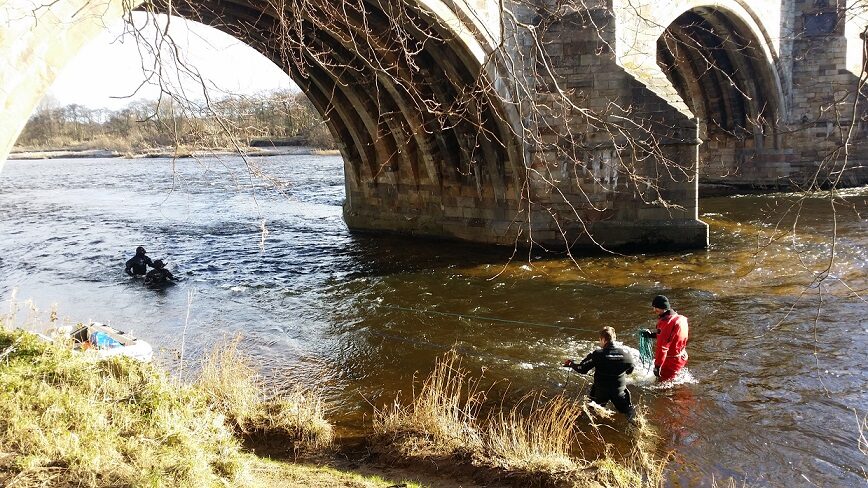
Diver Safety: Strong currents significantly increase the risk for divers, limiting the duration of "dive windows" (often only around slack water neap tides).
-
Visibility: Fast-moving water often carries high levels of suspended sediment (turbidity), rendering optical cameras ineffective.
-
Data Stability: Maintaining stable positioning for survey equipment (whether diver-held or remotely operated) is difficult due to hydrodynamic forces.
Advanced Survey Techniques and Equipment
To overcome these challenges, surveyors use a combination of methods:
2D and 3D Sonar Technology
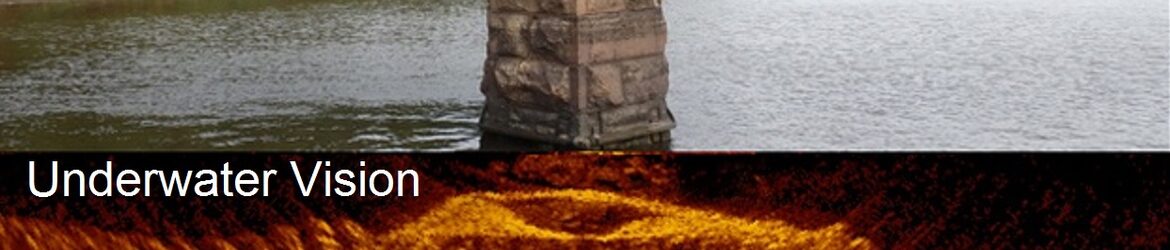
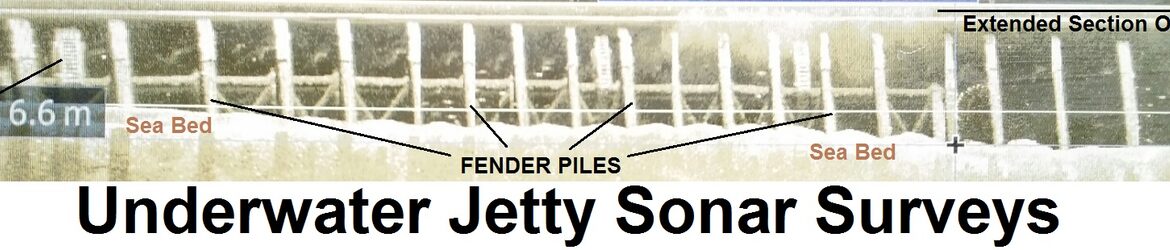
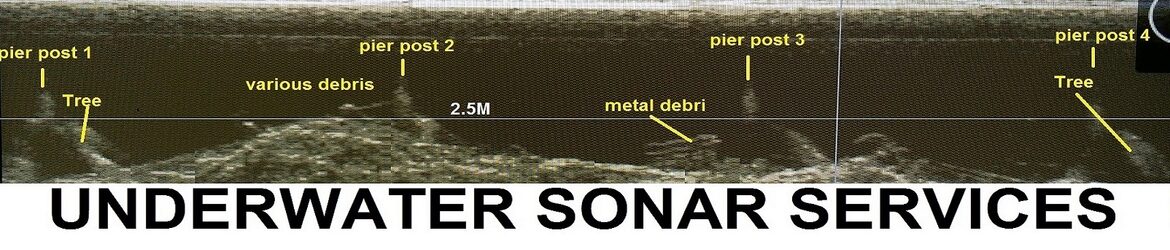
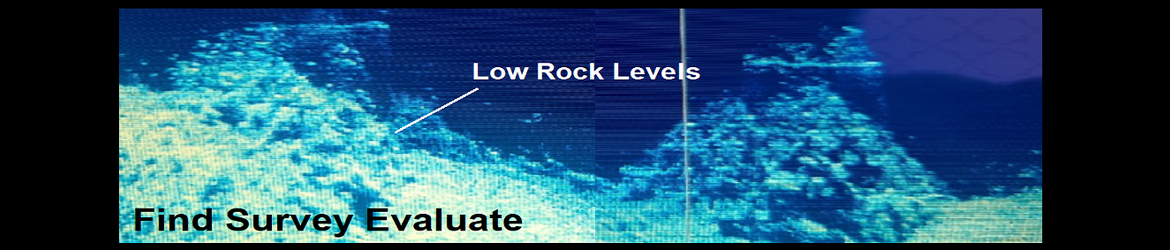
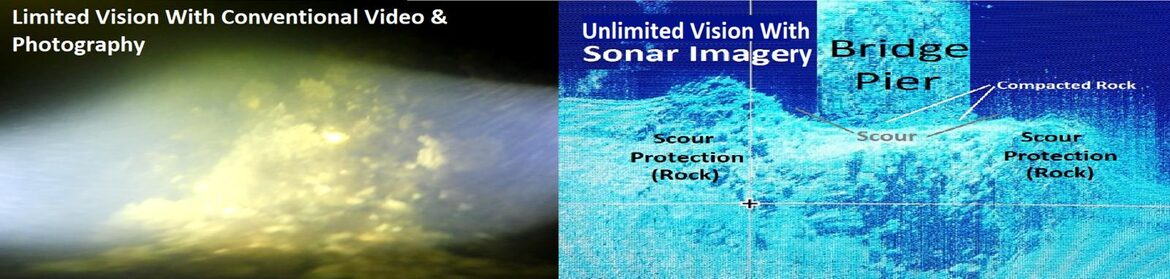
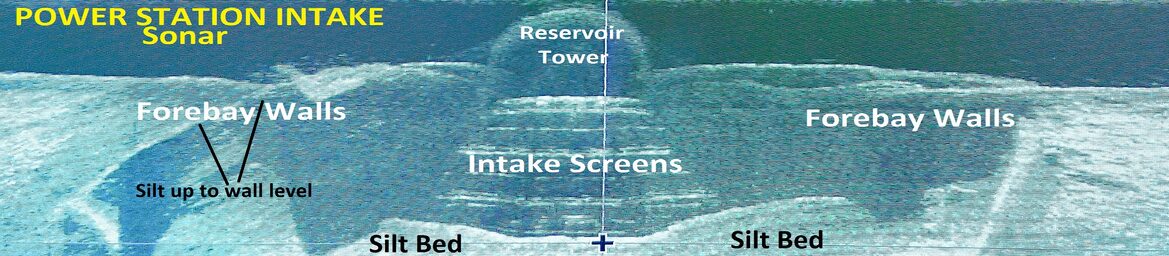
High-resolution scanning sonar is the primary tool for detailed mapping in poor visibility or high-flow conditions.
-
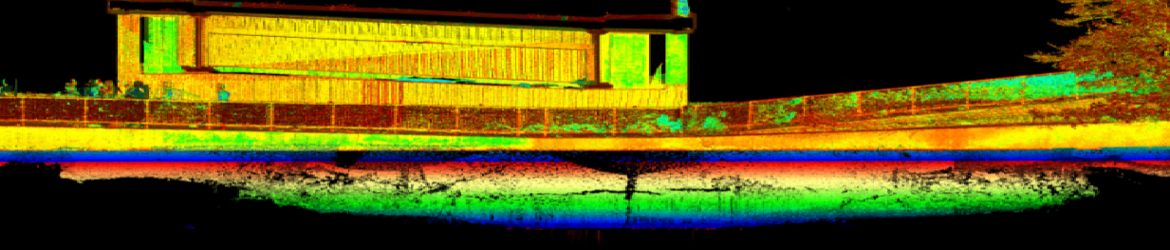
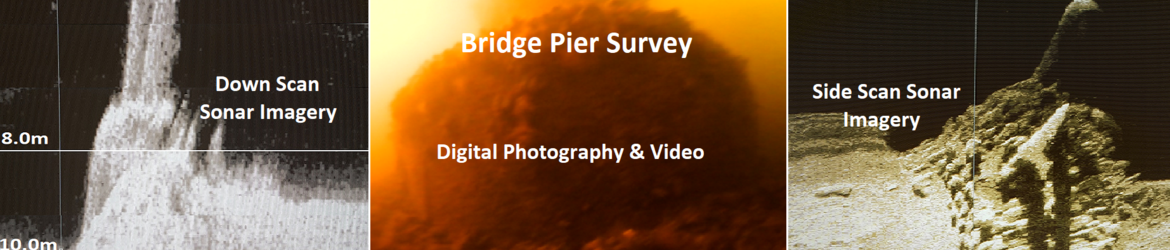
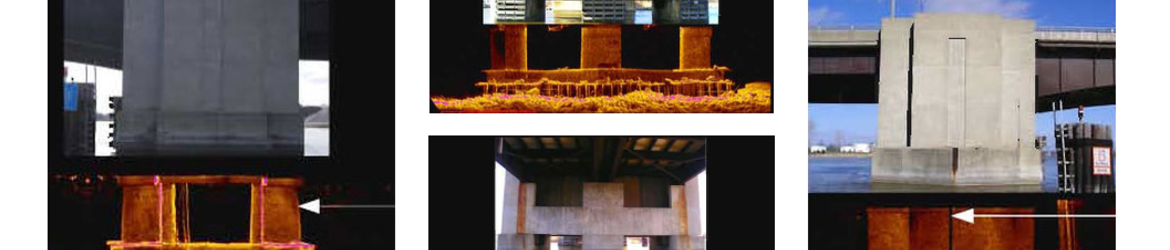
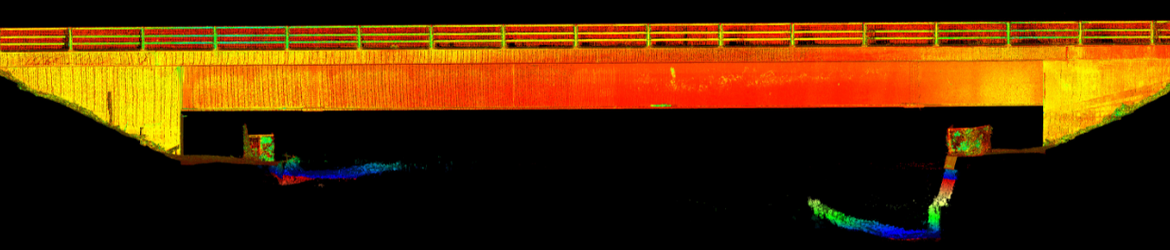
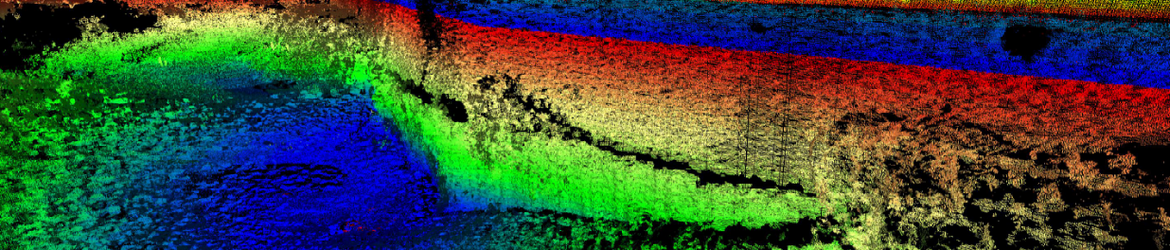
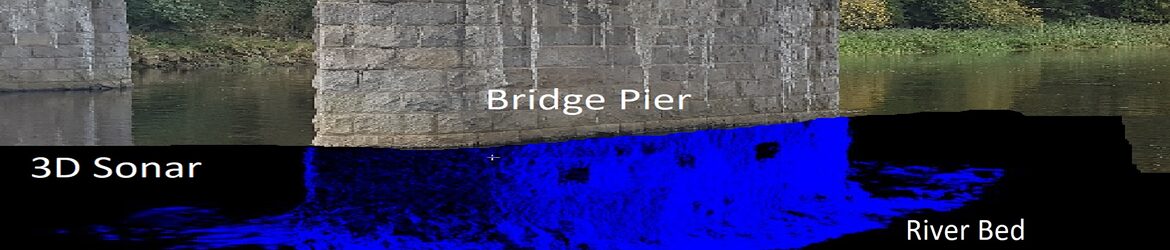
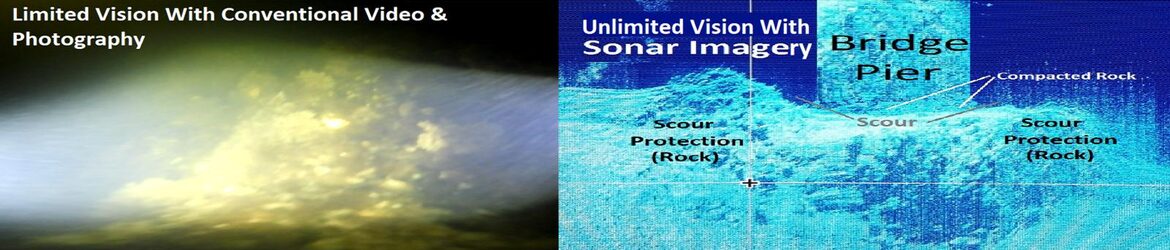
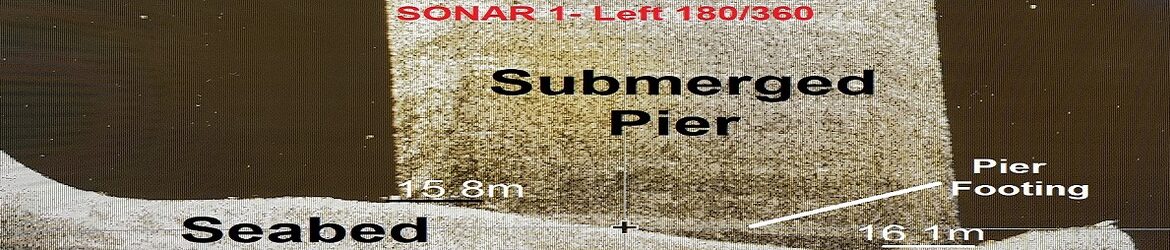
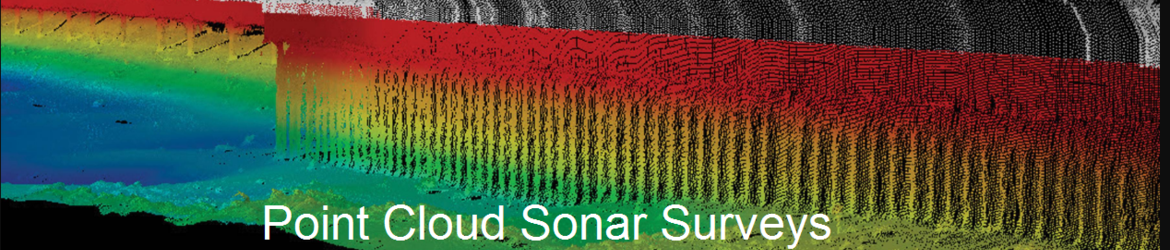
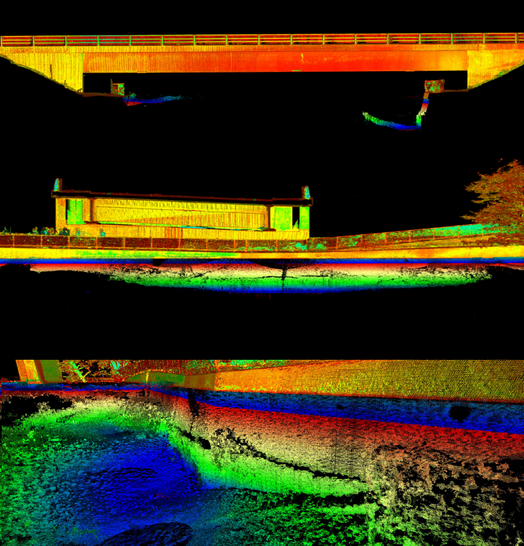
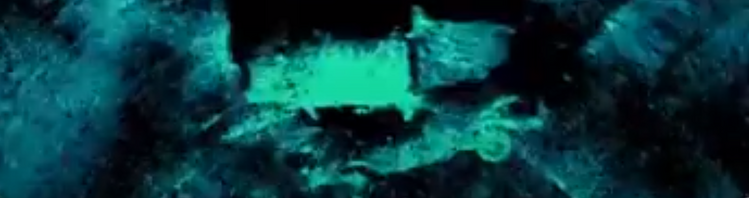
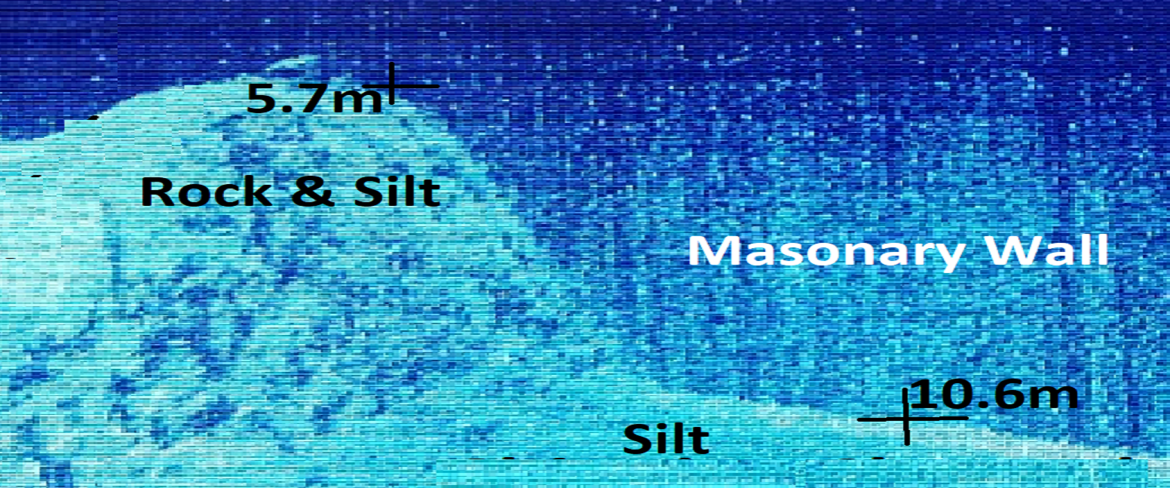
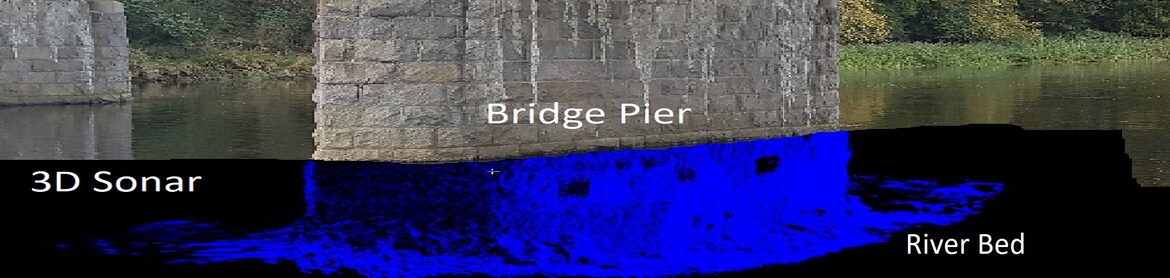
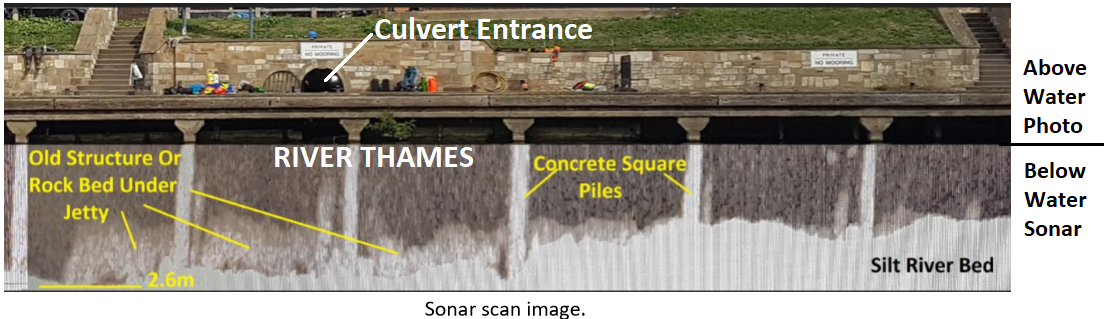
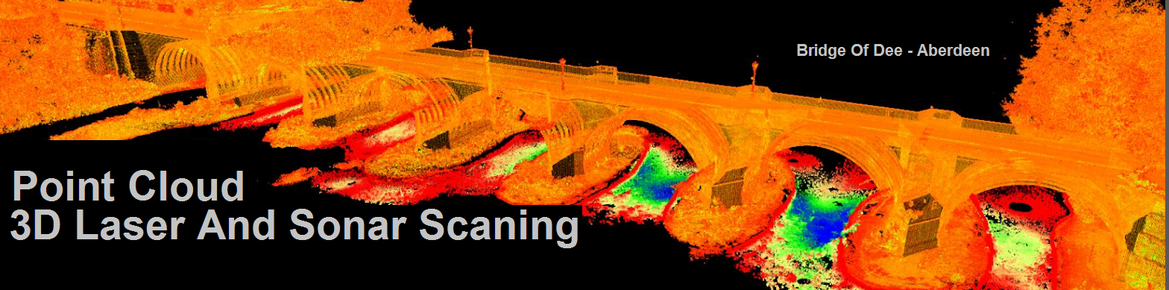
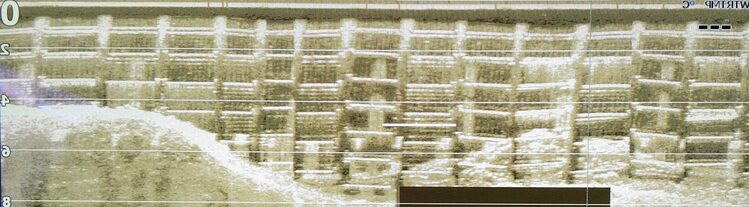
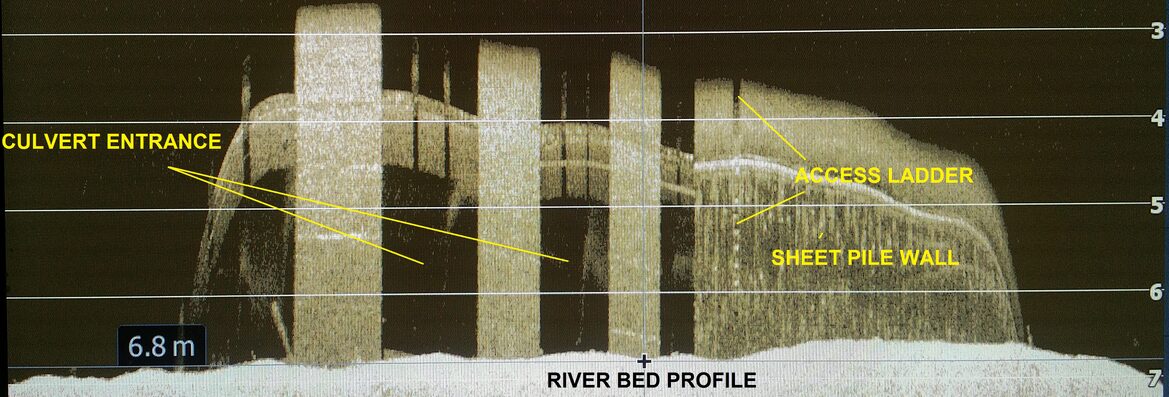
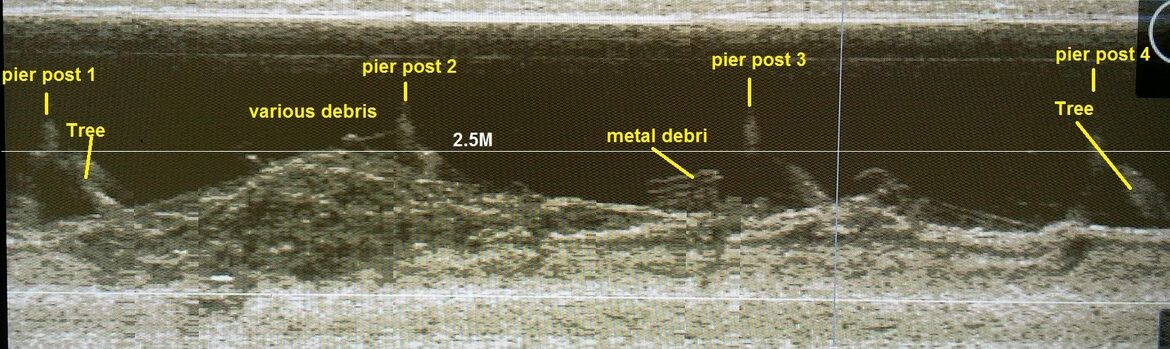
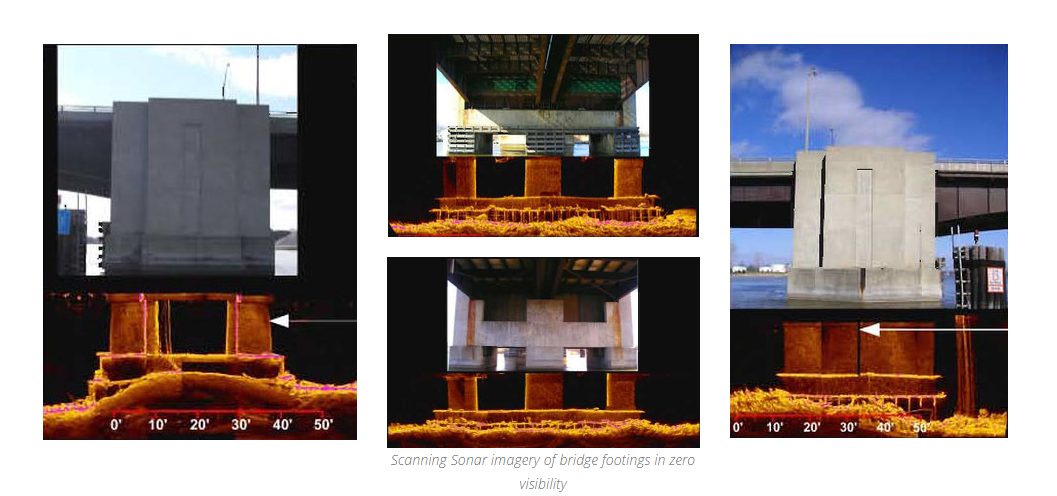
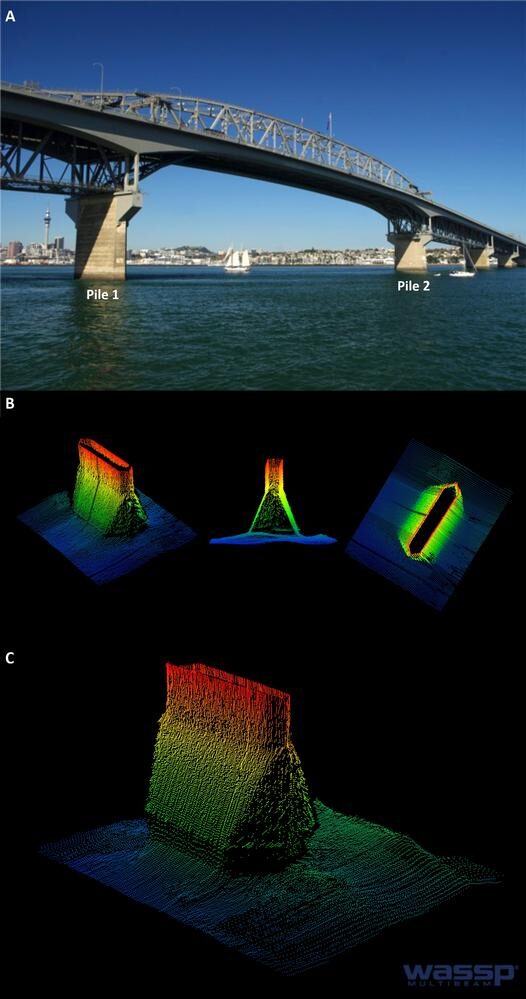
How it works: Sonar systems emit acoustic pulses and interpret the echoes to create detailed images and 3D models of the underwater environment. This generates a point cloud that engineers use to identify defects, measure scour voids, and assess structural integrity.
-
Deployment: Sonar transducers can be deployed in several ways:
-
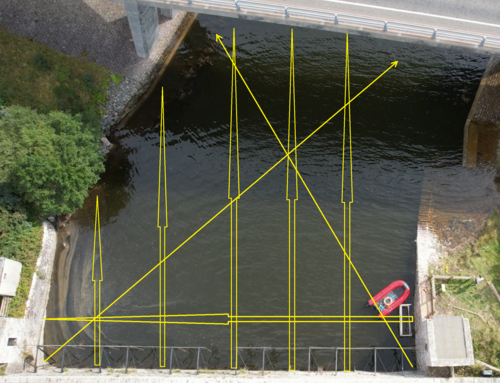
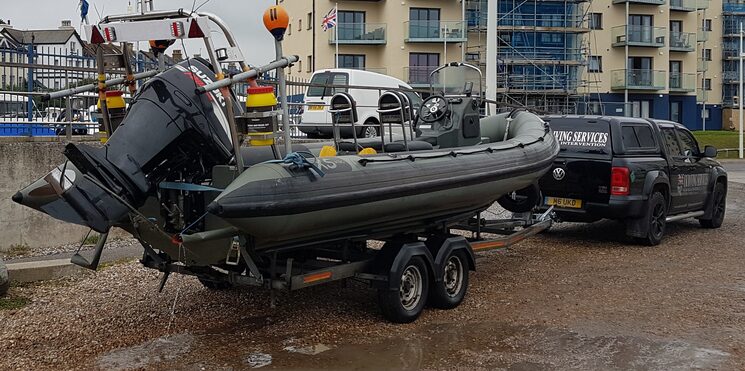
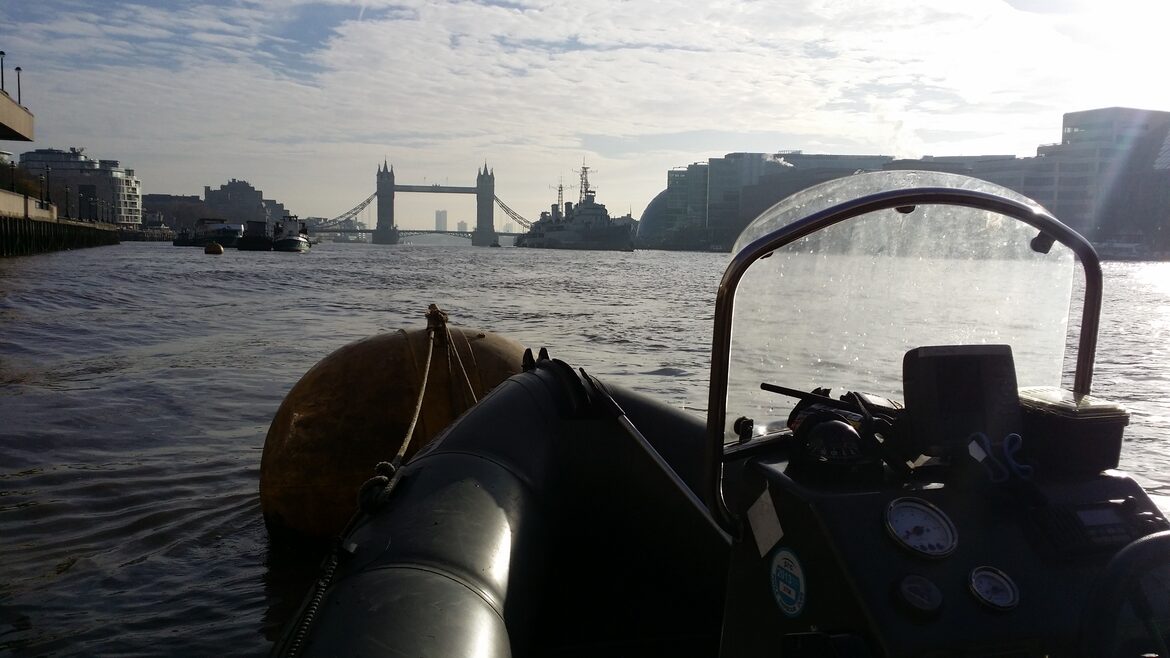
Vessel-Mounted: Fitted to a manned or unmanned surface vessel (USV) and run along survey transects parallel to the jetty or river wall.
-
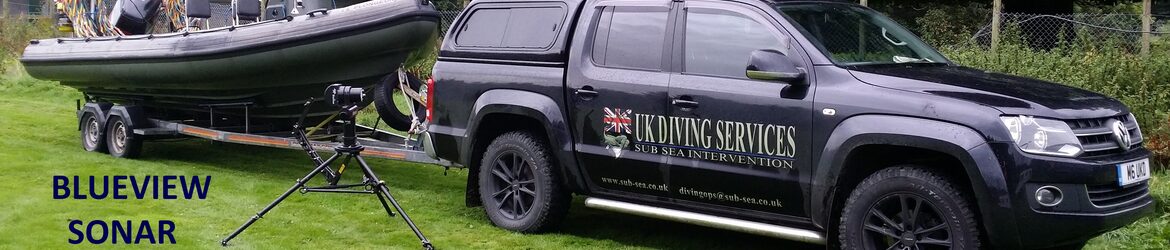
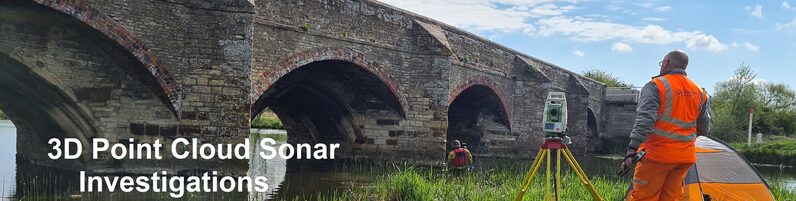
Frame/Tripod Mounted: Lowered to the seabed or a fixed point and rotated to scan the structure from a stable position.
-
Diver-Held: Used by divers for close-up scanning of specific anomalies.
-
-
Benefits: Provides highly accurate, detailed data in real-time, allowing for comprehensive condition assessment and baseline modelling for future monitoring.
Probing and Physical Methods
In addition to sonar, physical methods are essential, particularly for assessing embedment depths and identifying undermined areas:
-
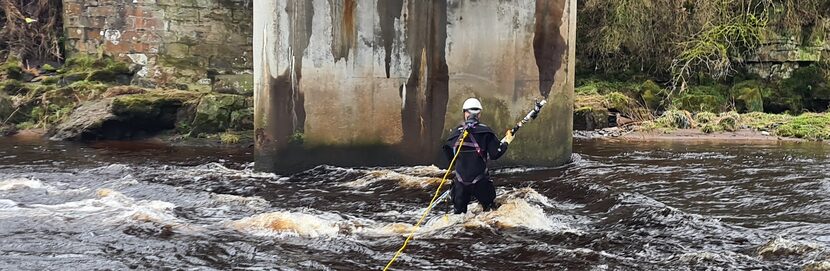
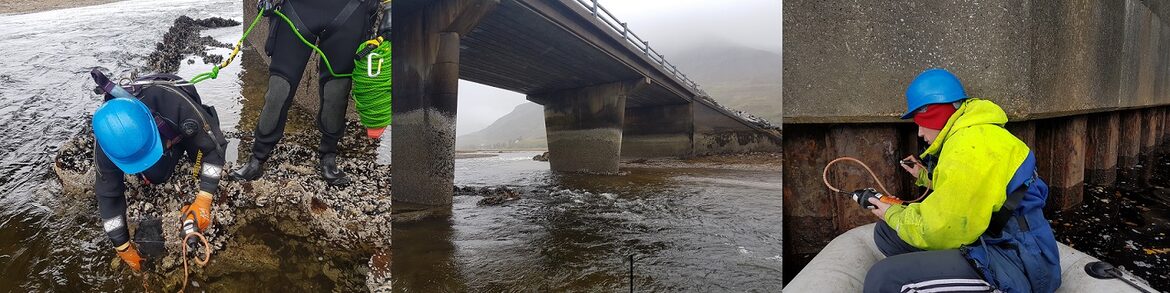
Tactile Probing: Divers use physical rods or probes to manually determine the extent of scour holes or the depth of foundation elements where sonar data requires verification or is inconclusive.
-
Direct Measurement: Manual measurement of structural components and defects using calipers or measuring tapes during diver-based operations at slack water.
Hydrodynamic Camera/Sensor Systems
For acquiring visual data in challenging currents, specialized systems are used:
-
Towed Systems (Sleds/Torpedoes): These are weighted, hydrodynamically shaped camera or sensor platforms (sometimes referred to as camera-mounted torpedo winch systems) that are towed behind a vessel or deployed via a winch.
-
Functionality: Their design allows them to maintain a stable, consistent depth and position in the water column despite strong currents, capturing continuous, geo-referenced video footage and still images that would be impossible with a free-swimming ROV or diver in similar conditions.
-
Deployment: They can be winched up and down alongside vertical structures like river walls or jetties to provide detailed visual records that supplement the acoustic data. This method reduces risk to personnel while ensuring data acquisition in high-risk environments.
Integrated Approach
The most effective survey campaigns for jetties and river walls often involve an integrated approach:
-
Planning: Utilising historical data and high-level risk assessments.
-
Acoustic Survey: Initial mapping using multibeam or 3D scanning sonar (often vessel-mounted) to identify areas of concern, scour voids, and general topography.
-
Visual/Tactile Inspection: Targeted diver intervention during narrow slack water windows or deployment of towed camera systems for detailed visual evidence of specific defects identified by the sonar.
-
Reporting: Compiling all data into 3D models and detailed reports that enable asset owners to plan targeted, cost-effective maintenance and repair works.
Underwater Infrastructure Inspection UK | Bridge, Jetty & River Wall Surveys
Subaquatic Infrastructure Inspection & Assessment Services
Safeguarding critical marine and inland water infrastructure requires specialized expertise and cutting-edge technology. Our team provides comprehensive underwater inspection services, combining expert commercial diving with advanced sonar technology to deliver detailed, accurate assessments in any water condition. We help engineers and asset managers understand the condition of their structures and implement effective maintenance and repair strategies.
Our Core Services
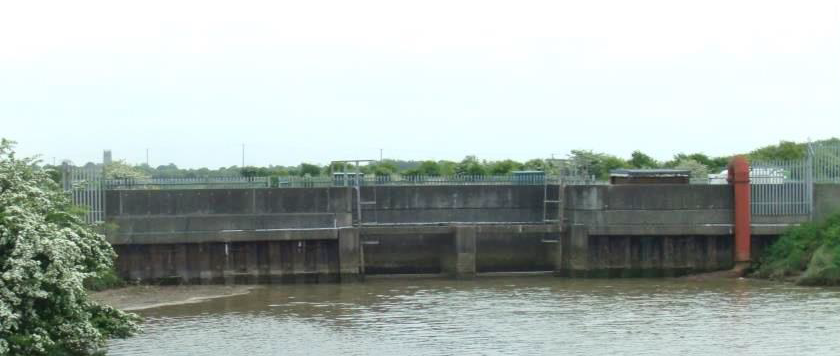
We offer a full spectrum of services for various submerged assets, including bridges, jetties, piers, and river/sea walls.
Bridge Surveys & Inspections
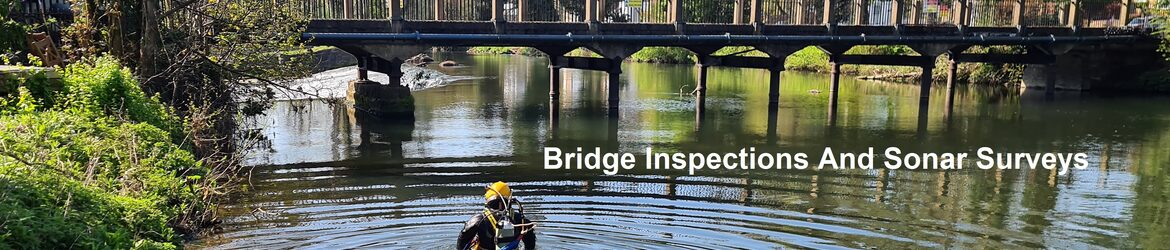
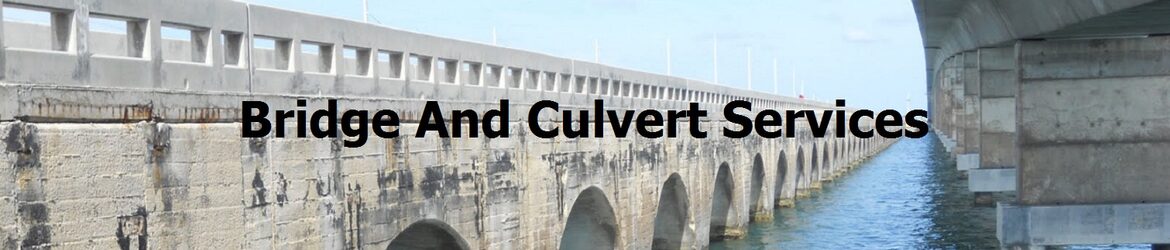
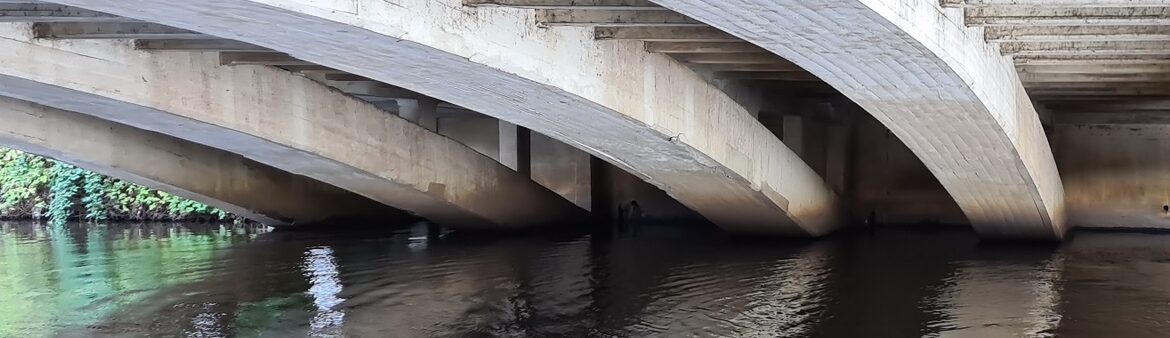
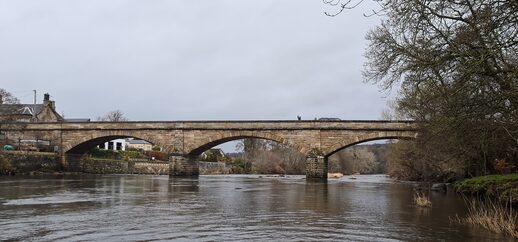
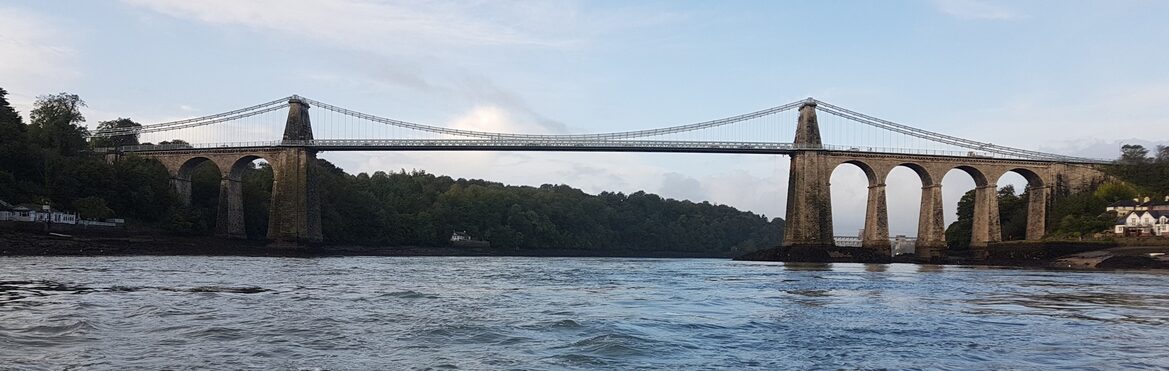
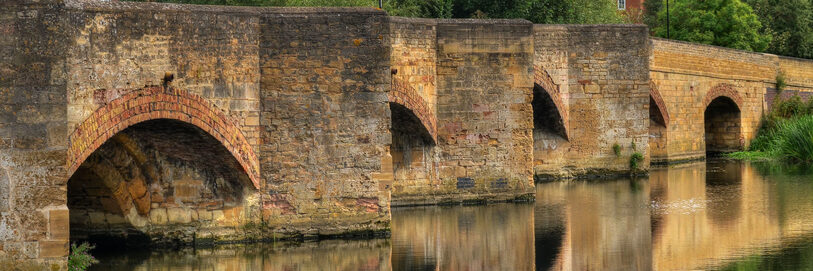
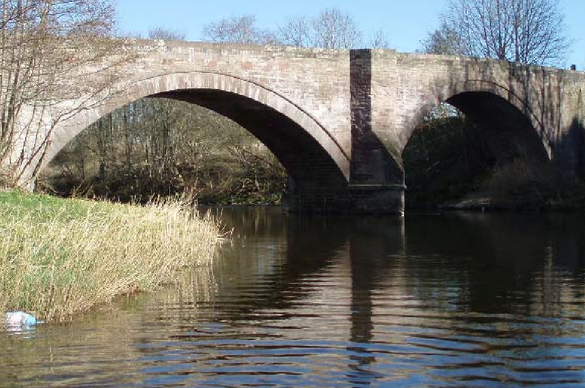
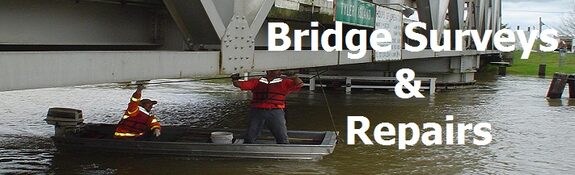
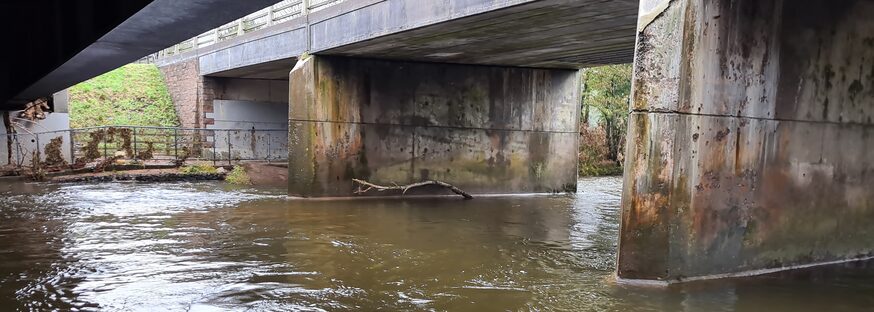
We conduct detailed principal and general inspections of bridge substructures, including piers, abutments, and foundations. Our services ensure the structural integrity of these vital links within the transportation network. Inspections can range from small, non-tidal structures to large marine crossings.
Underwater Sonar & Imaging
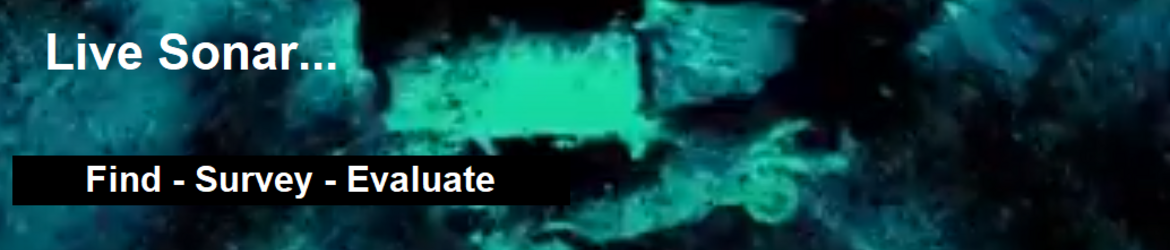
In environments with limited or zero visibility, we utilize high-resolution 2D and 3D scanning sonar to provide clear, detailed images and point cloud data of underwater assets and the surrounding environment. This technology is essential for:
-
Mapping riverbed and seabed profiles.
-
Locating hidden damage, debris, or suspect areas.
-
Monitoring underwater works in real-time.
Scour Assessment & Monitoring
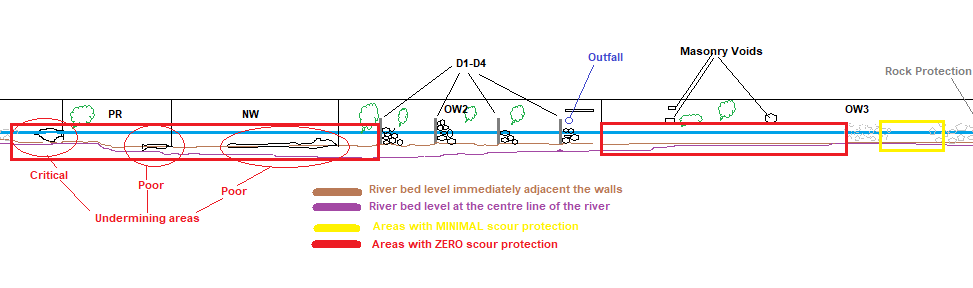
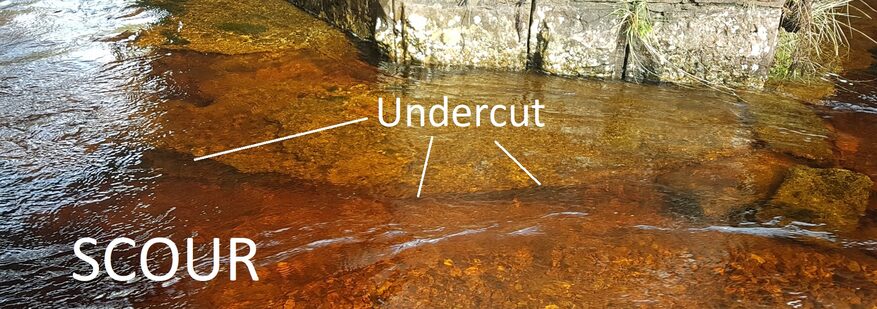
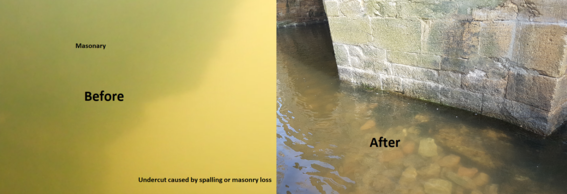
Scour is a primary cause of bridge collapse worldwide. We specialize in the assessment of assets threatened by scour and undermining. Our assessments determine the extent of scour holes, identify areas of potential collapse, and evaluate existing scour protection measures like rock armour or concrete mattresses. We provide detailed reports in line with industry standards to inform necessary remedial actions.
Jetty & River Wall Inspections (Diver & ROV Means)
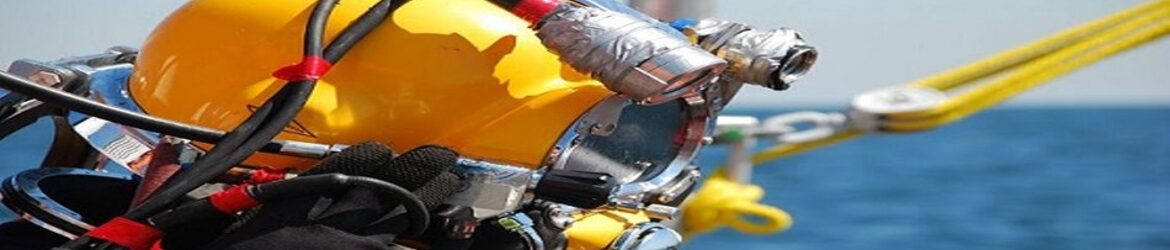
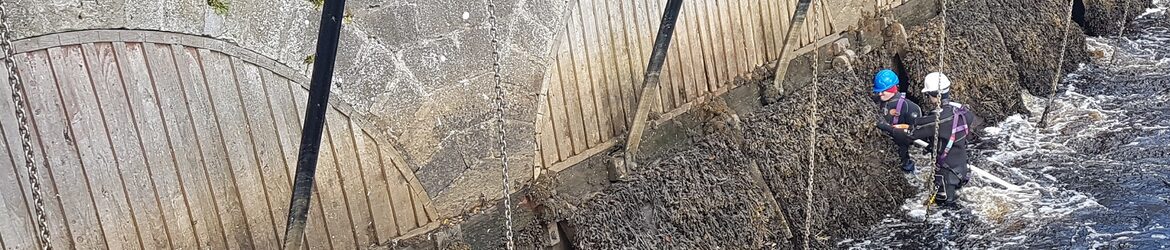
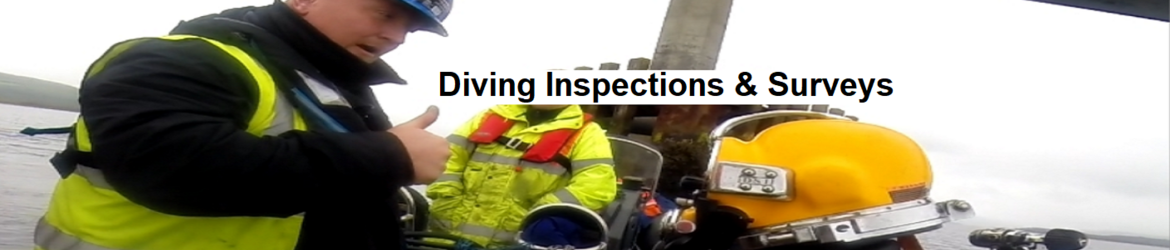
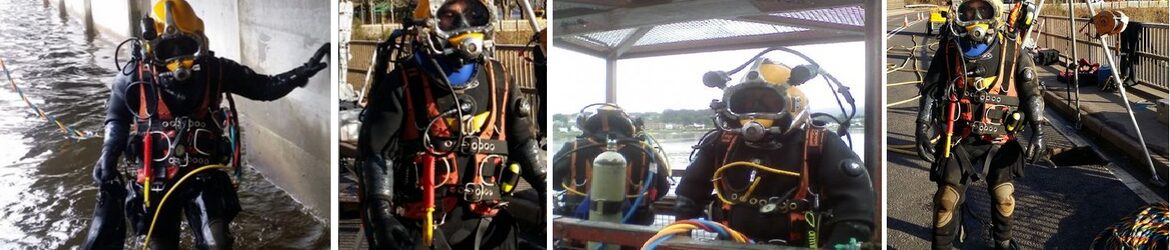
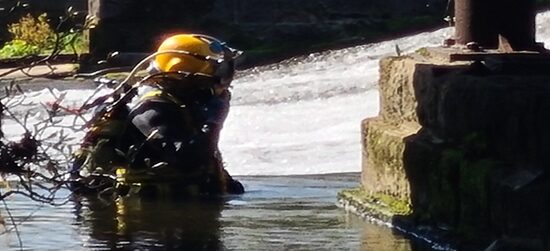
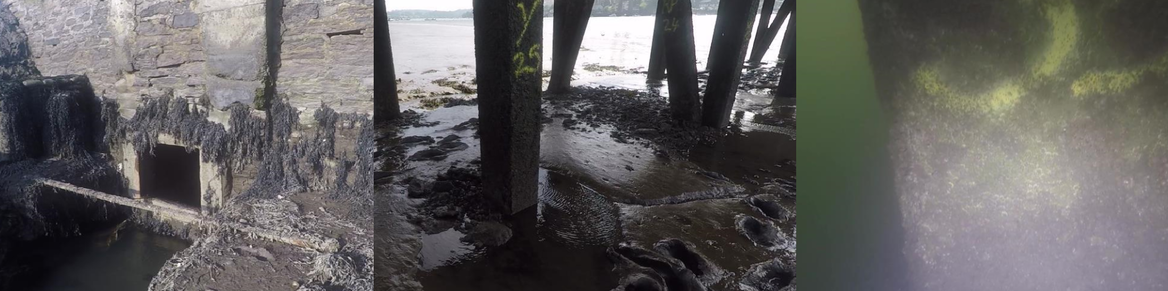
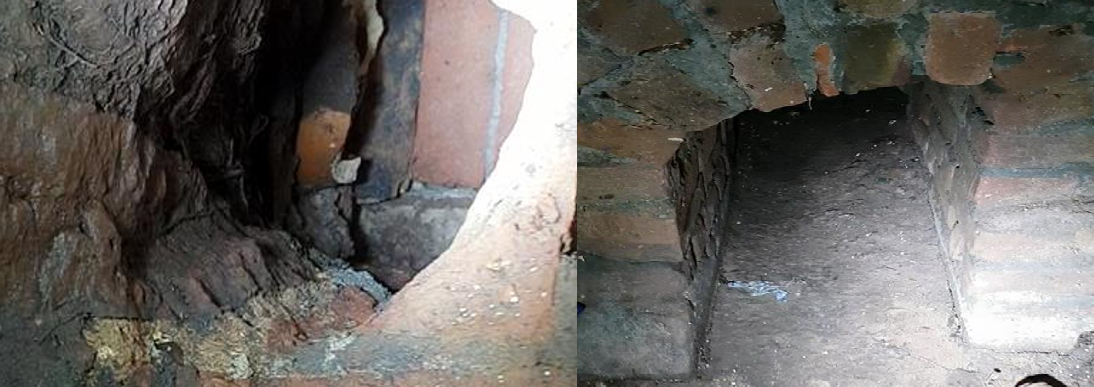
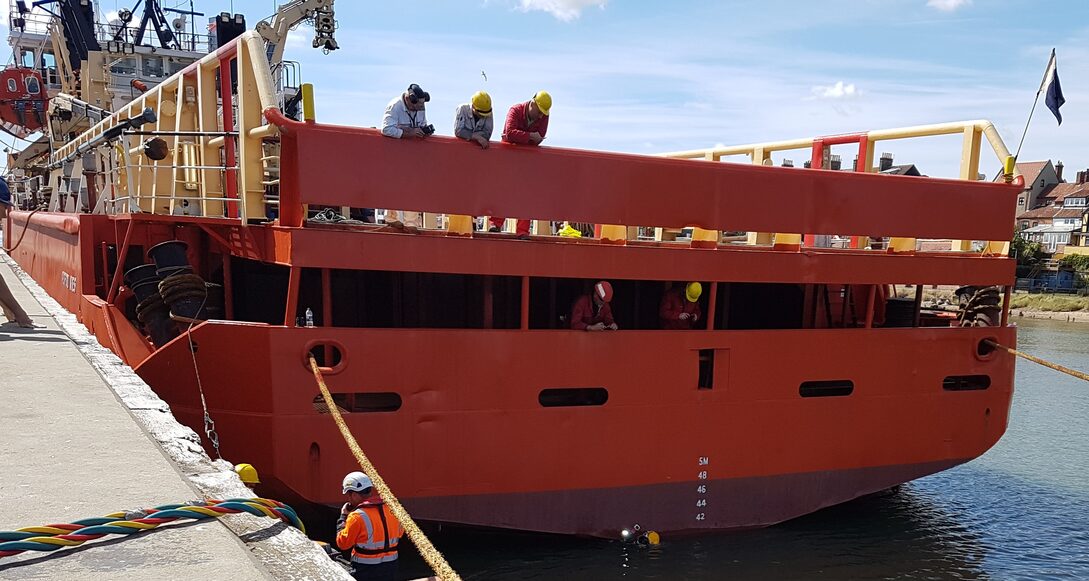
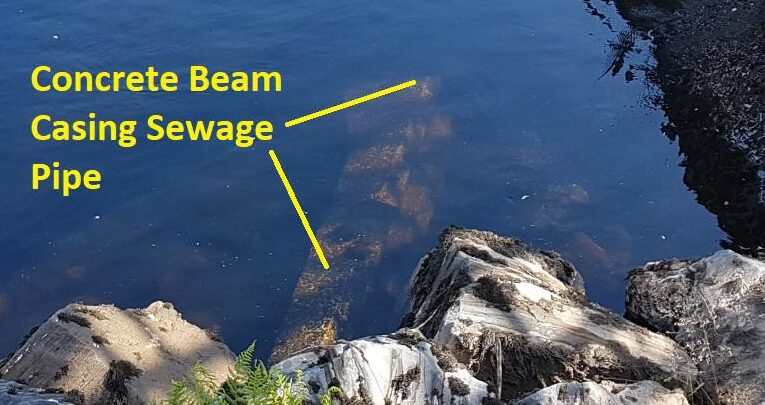
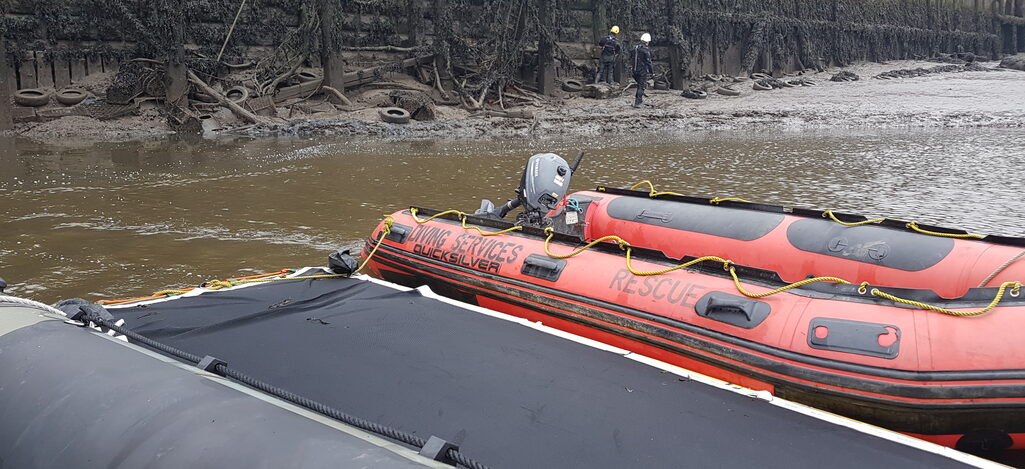
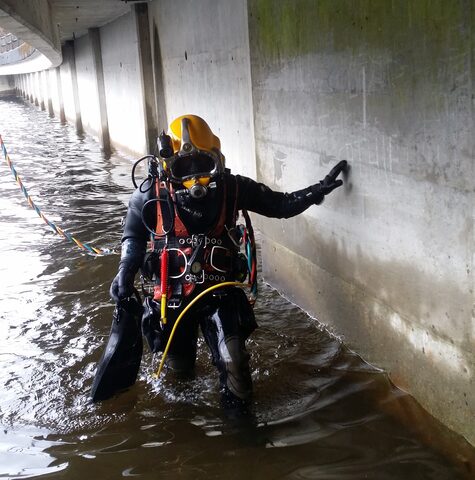
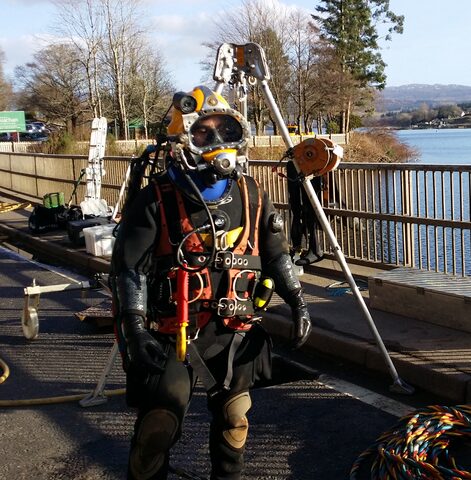
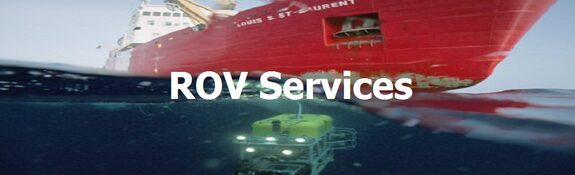
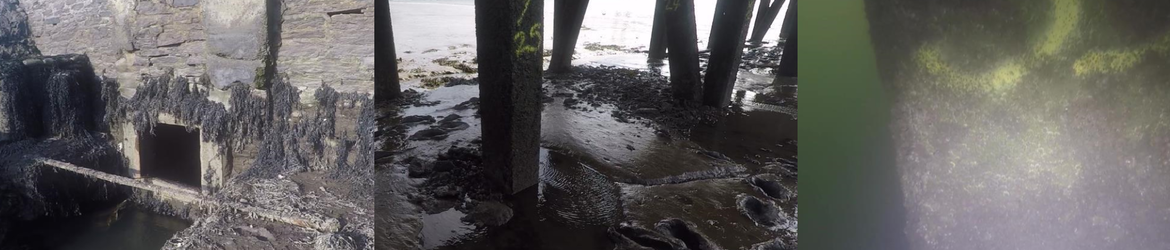
Our qualified commercial divers and ROVs (Remotely Operated Vehicles) perform thorough visual and tactile condition surveys of extensive marine and river structures. We work in challenging conditions, including strong tides and murky water, to document findings with detailed notes, photographic evidence, and measured images of defects for engineering review.
Why Choose Us?
-
Integrated Approach: We combine the hands-on expertise of professional diving engineers with advanced acoustic technologies for superior data collection.
-
Detailed Deliverables: Our clients receive comprehensive, engineer-reviewed reports supported by photographic, video, and sonar data, all delivered in industry-standard formats.
-
Safety First: We adhere to strict safety guidelines and use technology like sonar to assess hazards before divers enter the water, ensuring a safe working environment.
Contact us today to discuss your infrastructure inspection needs and find out how our specialized services can support your asset management strategy.
THIS WEBSITE HAS NOW BEEN ACQUiRED BY UK DIVING SERVICES LTD .....Any reference to other trading names within any pages of this website are no longer applicable and will be updated in due course. Thank you for your patience.
UK Diving Services are expanding....We have established ourselves as a leading underwater inspection contractor providing underwater surveys across the UK